

Travelling with tweens is rewarding but comes with its own quirks and challenges. These practical, down-to-earth and road-tested tips will help you manage their growing independence, big emotions, and appetite for adventure.
We’ve been travelling the world with our boys for over a decade, ever since they were a few months old. In the past year or so, we’ve definitely started to notice a subtle change as we transition into a new season of family travel; the tween years.
A few years ago, the boys were happy to go with the flow and follow our lead, but they now have much stronger opinions on where we go and what we do on our trips. This has brought about its own challenges but we’ve learnt to adjust and embrace this new version of our travelling family.
Travelling with tweens has its own rulebook and we’re slowly learning what works for us. Hopefully by following our top tips for travelling with tweens, you’ll find your own routine.
Firstly, what even is a tween?
A tween is a child aged between 9 and 12 years old. Not quite yet a teenager, this is the age you might begin to notice changes in your kids and how you travel and interact with each other.

1. Give them a voice in the planning
No-one ever likes to think they’re not being listened to, but this is especially true of tweens. When you’re planning any aspect of your trip, whether it’s the big stuff (like which continent to visit) or the small stuff (noodles or pizza for dinner), give them a voice and get them involved in the planning.
Not only will they appreciate the chance to contribute, they’re much more likely to engage with the decision if they were involved in making it. Plus, they’re at an age where their ideas are likely to be much cooler than yours.
2. Build in independence and responsibility into your travels
Unfamiliar surroundings can bring out the protective side of parents, but it’s important not to project that onto the tweens. Don’t let them think that a new place is dangerous or scary just because it’s new.
Let them take on responsibility each day, perhaps by ordering fruit in the local market or telling the taxi driver where you’re going. If you’re staying in a medina in Morocco for example, they might like to wander off to the nearby shops on their own to buy breakfast or some supplies for lunch.
Our own tween recently told us that he’d prefer his own space when we went camping in Australia, so we bought him his own one-person tent and taught him how to erect it and fold it away. Not only did he enjoy the responsibility of setting up camp each evening, he appreciated his own space once we all went to bed.
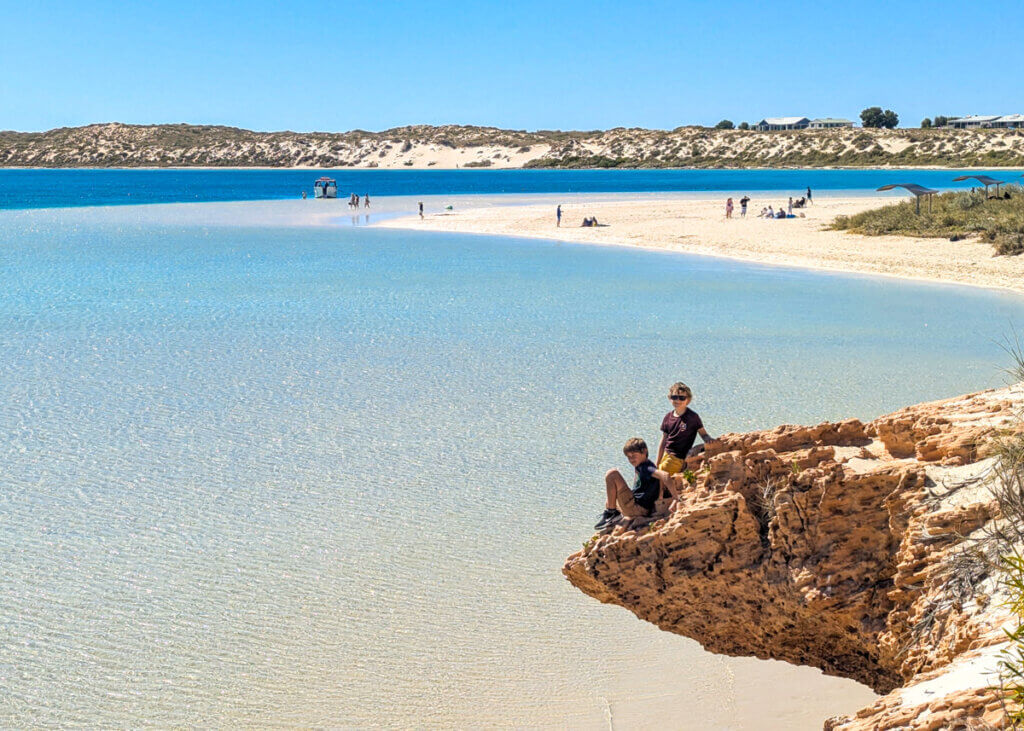
3. WIFI isn’t the enemy, let them connect with their friends
A constant thorn in any parent’s side, Wifi access and screen time can be the source of many arguments but do remember they have their place at the right time. Rightly or wrongly, online is where young people predominantly socialise nowadays and a little bit of wifi at the end of an otherwise offline day isn’t necessarily a problem.
This is especially true if you already allow some online socialising back at home. The last thing you want on a family travel adventure is to create an environment where everything is different and they’re unable to speak to friends back home. There’s plenty of scope for family time and exploring on a holiday or trip, so don’t worry if a small amount of time is spent online.
4. Keep the healthy snacks flowing
The tween years are often when you start to notice appetites increasing and, if they’re not fully fed, problems starting to emerge. Grouchiness, tiredness and irritability are all signs of hunger; a lethal combination if you’re also in the middle of a sightseeing day in high temperatures or boarding an overnight sleeper train.
Keep them loaded up on healthy snacks and never, ever pass up the opportunity to pick up cheap fruit or drinks along the way. Try to learn the tell-tale signs of hunger and keep them topped up.
It’s one of the many reasons we love Southeast Asia; not only are cheap snacks available everywhere, the cost of eating out is so relatively affordable that it’s always an option to dive into a restaurant and get a plate of noodles or mango sticky rice. Remember that they’ll probably need to eat more than you, and a standard three-meal day might not always cut the mustard.
5. Exercise every day
Kids are like dogs in so many ways, especially at this age. Some travel days are unavoidably dull and practical (e.g. long bus journey days) but at all other times, set aside time each day to exercise and burn off excess energy.
Schoolkids spend several hours a day chasing their mates around the playground or taking part in PE lessons and sports team training sessions, so you’ll need to replace that time with similar amounts of exercise when you’re away. Don’t underestimate this when you’re choosing destinations and accommodation; sometimes having a simple park nearby, or a gym in the hotel, can be a lifesaver. Hormones are better regulated with outdoor time and exercise.
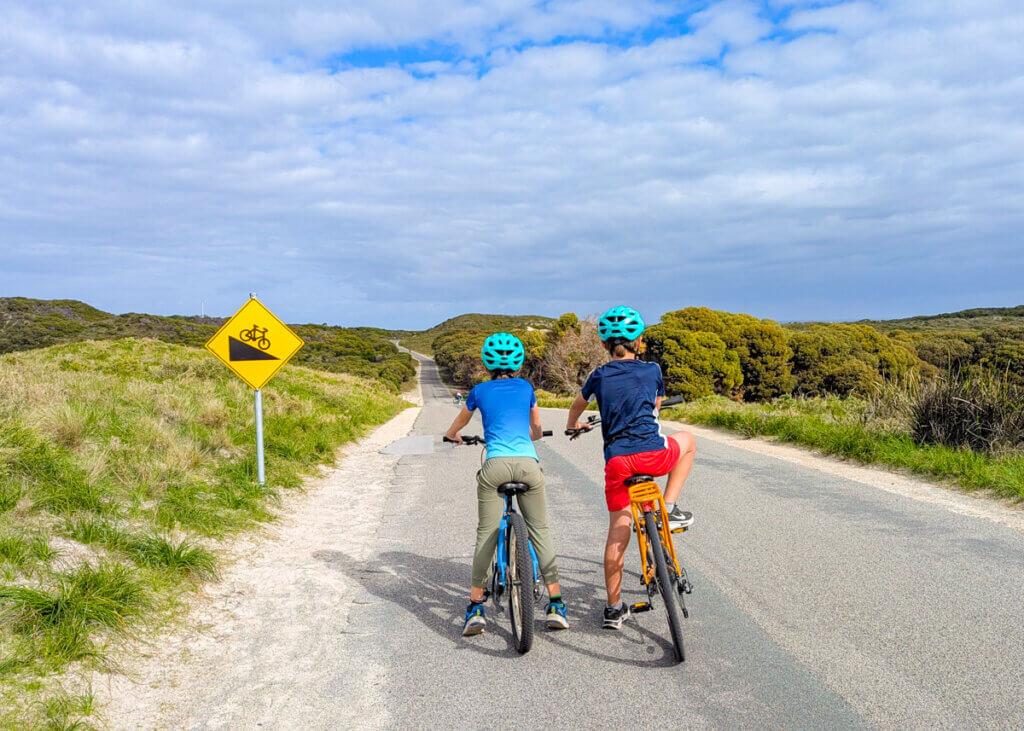
6. Respect their responsibilities at home
Whether you’re going away for a weekend or a year, check before you book to make sure there isn’t an all-important event taking place at home that they simply can’t miss. It might be a school production, sports day, best friend’s birthday or similar.
At the is age, social occasions are essential parts of life. Although you can’t be expected to rearrange an entire trip just because of one birthday party, do try and be mindful of their calendars before you press the book button. You won’t be popular if they miss something special by one day.
7. Don’t underestimate downtime
Whether it’s a weekend away or a family gap-year adventure, humans seem to be programmed to want to fit in as much as possible. There’s always another temple to visit, another train to catch or another sunset to enjoy. Experiences are what family travel is all about but don’t underestimate just how much tweens need downtime where they get a break from parents, siblings and being switched on.
This is one of the many benefits of slow travel, mixing in moments of peace and relaxation amongst all the busyness. Everyone needs downtime, especially your travelling tween.
8. Book activities that challenge them and lean into their interests
Travel is the time to broaden horizons and try something new. Routine at home is all well and good, but sometimes you need the stimulus of new horizons to find your new favourite thing.
Take time as a family to discuss and research what opportunities there are in your next destination. If the tweens have shown any previous interest in an activity, hone in on that and plan your itinerary accordingly.
It might be Muay Thai lessons, scuba diving courses, WW2 history, Picasso’s paintings or ticking off every theme park in Australia. You might not be able to do it all, but it’ll give you an excellent template for the type of trip your tween will embrace.


9. Expect big feelings and don’t shut them down
Hormones will start flying around at this age, causing big feelings to bubble to the surface. Prepare for this and stand ready to talk about how they’re feeling, but let them lead the conversation.
Being away from home can complicate this whole process but, if tempers do flare up, don’t fall into the trap of thinking it’s all happening because you left home. Problems occur back in your own country and just because you’re overseas, doesn’t mean you’ve made things worse. Often, the extra family time and change of routine allows parents to be more present and able to focus more time on the tweens.
10. Allow them their alone time and respect it
Travelling as a family can be intense, not only are you in each others pockets 24/7, but you’re in a new environment where the usual rules don’t apply. Arguments can happen and finding your own space can be tricky, especially if you’re on an overnight sleeper train or squeezed into a capsule hotel.
Don’t expect every evening to be fun-filled and lifted straight from a Disney movie. Sometimes, you’ll all just want to disappear off to the far corner of the room and be alone. Tweens will definitely want to do this and it’s all very natural. Don’t be offended if your questions are met with blank responses or an offer of a game of Uno is dismissed with a roll of the eyes.
Respect their need to some space and recognise the future benefits. Plus, you get to open a guilt-free bottle of wine.
11. Consider accommodation that gives everyone space
Following on from the previous point, it’s a good idea to choose accommodation that offers space for everyone to disappear off when they need to. It doesn’t need to be every place you stay, sometimes just one or two nights a week is enough to release the pressure.
Airbnbs are good candidates for separate rooms (and are often substantially cheaper than hotels) and you can sometimes find hotels with connecting rooms. At a minimum, try to restrict the number of nights you spend cooped up in a tiny hotel room. What you might save in terms of money, will be far outweighed by the knock-on effects on your tween.
12. Embrace slow travel
Perhaps the most important piece of advice: slow everything down. What might look like an adventurous, character-building itinerary from your sofa, can soon turn into an endurance event where no-one wins. Rushing from city to city, airport to airport and sight to sight is a recipe for burnout.
Instead, plan to spend a week or more in one place and cut right back on too many one-night stays. Tweens will begin to resent the stop-start nature of the trip, and the constant packing and unpacking soon becomes a stress. Once you slow down, you appreciate the place you’re in and get to know it so much better. Your tweens will feel the same and you’ll have fewer meltdowns as a result.
You may also like to read:
What is the best age to travel with kids?
Family travel on a budget: how to travel cheap with kids in tow
How to become a digital nomad family